
Articles & Essays
Fix Fragility First
During field research this past year, a benefits director told a story that has stayed with me. Her company had just enhanced its retirement match, and participation climbed almost immediately. It looked like a clear win. But a few months later, she told me that she...
Markets With Memory: A Brussels Holiday Reflection
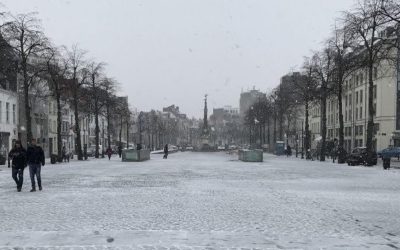
I came to Brussels for a family holiday and a change of pace. Fewer plans. Longer meals. Time to be together without rushing from one obligation to the next. December here invites that rhythm. The Christmas markets were full, the city was busy with visitors from...

When the Ladder Breaks: Financial Nihilism Among America’s Youth
By nearly every conventional metric, the economic starting point for young Americans has weakened, and the data read less like a setback and more like a structural fault line. Student loan debt now exceeds $1.6 trillion, according to the New York Federal Reserve....

The Ethics Behind the Longevity Equation
As a financial ethicist at the Milken Institute, I spend my days in the space where numbers meet values. This is where the realities of financial systems intersect with the moral question of how we help people live longer, healthier, more secure lives. That is the...

Revitalizing Communities: The Essential Role of the Community Reinvestment Act
The Community Reinvestment Act (CRA) has been a pivotal piece of legislation since its enactment in 1977. It aimed at addressing the systemic discrimination that marginalized low- and moderate-income (LMI) communities, particularly those affected by redlining. As we...

Navigating Retirement Planning Pitfalls: The Untapped Potential of Financial Solutions
As retirees face significant changes in their economic environment, they must navigate a landscape where longevity expectations are rising. While individuals can expect to live longer, the shift from defined benefit (DB) pension plans to more volatile defined...
The Solidarity Economy: A Pathway to Social Transformation
The Solidarity Economy (SE) represents a transformative approach to economic relations, emphasizing cooperation, mutual aid, and social justice over profit maximization. Rooted in anti-capitalist movements, particularly those emerging from Latin America in the 1980s,...

Health and Wealth: A Dual Perspective
The relationship between health and wealth is complex and multifaceted, deeply rooted in social, economic, and environmental factors. Understanding this connection is crucial for addressing health disparities and promoting health equity. Let's explore the intricate...

The Power of Durable Powers of Attorney: Essential Tools for Planning
Durable powers of attorney (DPAs) are critical legal instruments that allow individuals to appoint an agent to manage their financial and personal affairs in the event of incapacity. As the population ages and the likelihood of disability increases, the importance of...

Unlocking Legacy: The Role of Philanthropy in Financial Planning
In a world increasingly focused on wealth accumulation and financial success, the concept of legacy often gets overshadowed by the immediate pursuit of material gain. However, creating a meaningful legacy involves more than just financial success; it encompasses the...

Investing in Health: The Financial Benefits of Preventive Care and Wellness Programs
As healthcare costs continue to rise, more organizations are investigating the financial benefits of investing in the health of their employees. Preventive care, which focuses on avoiding diseases before they occur, and wellness programs, which focus on lifestyle...

Navigating the Financial Storm of Gray Divorce
Imagine a couple, John and Linda, who have been married for over 30 years. They raised two children together and built a comfortable life. However, as they entered their 50s, they found themselves drifting apart. After much soul-searching, they decided to divorce, a...

Maternal Depression and Economic Mobility: Breaking the Cycle
Maternal depression is a significant public health issue that affects not only the well-being of women but also the economic stability of families. Research indicates that low-income pregnant and parenting women experience particularly high rates of depression, which...

Bridging Generations: The Importance of Reverse Mentoring
Reverse mentoring is a transformative approach that flips the traditional mentoring model on its head, allowing junior employees to guide their senior counterparts. This innovative practice has its roots in the late 1990s, when General Electric's CEO Jack Welch...

Pig Butchering: A Scam That Leaves No One Unscathed
In the digital age, scams have proliferated, with one of the most insidious being the "pig butchering" investment scam. This term, which evokes the image of farmers fattening pigs before slaughter, aptly describes how scammers lure victims into a false sense of...

Aging in Tune: A Financial Longevity Playlist
Music has an extraordinary ability to resonate with our emotions and experiences, often serving as a powerful lens through which we can examine the complexities of life. Music often acts as a soundtrack to our lives. The themes found in lyrics can provide insights...

The Future of Financial Planning: How FinTech Innovations Simplify Longevity Planning
In an era where technology permeates every aspect of our lives, financial planning for longevity is undergoing a significant transformation, primarily driven by innovations in financial technology (FinTech). From robo-advisors to AI-based retirement calculators, these...
Retiring with Student Loans: A Growing Concern for Older Americans
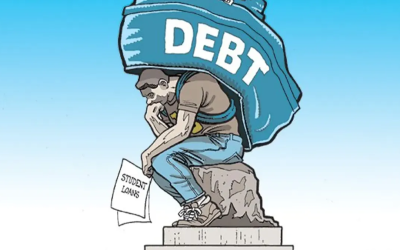
In recent years, the issue of student loan debt has gained significant attention, particularly as it affects older Americans. Research indicates that many individuals aged 51-61 carry substantial debt due to student loans and unpaid medical bills, which can severely...
Universal Savings Accounts: A Path to Financial Empowerment
In recent years, the conversation around personal savings and financial security has gained momentum, particularly in the rising economic challenges many Americans face. One proposed solution that has emerged is the concept of Universal Savings Accounts (USAs). These...
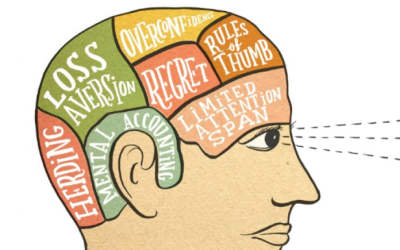
Mind Over Money: Behavioral Economics and Financial Decision-making
Behavioral economics is a field that combines insights from psychology and economics to understand how individuals make financial decisions. Unlike traditional economic theories that assume people are rational actors who always make decisions in their best interest,...

Designing for Longevity: A New Approach to Aging
Design for Longevity (D4L) is an innovative framework that integrates principles from product lifecycle, financial planning, and gerontology to enhance the quality of life for aging populations. This approach is particularly relevant today as demographic shifts lead...

The Financial Condition and Resilience of the Middle Class
Defining the Middle Class "Middle Class" refers to a socio-economic group characterized by a certain income range, lifestyle, and resource access. In the context of the United States, middle-income households are defined as those earning between two-thirds and double...
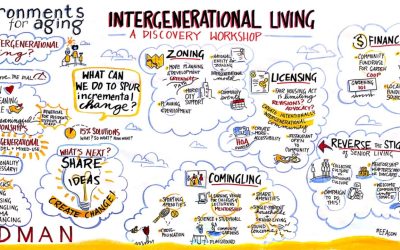
The Transformative Impact of Intergenerational Living
Intergenerational living is a concept that involves mixing various age groups in the same community or house. It provides a setup that fosters interaction, mutual support, and understanding among different ages of residents, which includes children through young...

Lifetime Annuities: A Safety Net for Longevity Risk
As life expectancy continues to rise, the concept of longevity risk—outliving one’s savings—has become a pressing concern for many retirees. One financial product that has gained attention as a potential solution is the lifetime annuity, often referred to as longevity...

Navigating Transparency: The Concerns of Older Workers in the Workplace
As the workforce ages, many older workers express a desire to remain employed longer. However, this demographic faces unique challenges, particularly regarding the transparency of their needs at work. A qualitative study in the journal Work, Aging and Retirement...

Vibe Check: Gen Z and Financial Freedom
As a concerned Gen Z parent, reading TIAA's recent Gen Z retirement report has been eye-opening... and thought-provoking. For those Gen Z parents out there and those interested in issues of financial longevity, let me share a bit of what I took away.A New Perspective...

Navigating the Silver Economy: Opportunities in Longevity Finance
As life expectancy continues to rise, the concept of financial longevity has become increasingly relevant. This term refers to the ability to sustain financial health throughout an extended lifespan, particularly as individuals live longer and healthier lives. The...

The Dual Role of Auto-IRAs: Retirement Savings and Emergency Funds for Low-Income Workers
Auto-IRAs are emerging as a vital tool for low-income workers, providing them with a structured way to save for retirement while also offering a potential safety net for emergency expenses. With only about half of private sector workers covered by employer-sponsored...

Combating Ageism and Creating An Inclusive Workplace
In honor of the US Department of Labor's National Employ an Older Worker Week, let's take a moment to recognize and celebrate the immense value that older workers bring to the workforce. This week provides an opportunity to engage in dialog about ageism and make clear...

Moral Distress: A Psychological Quandary for Professionals
In the realm of healthcare, moral distress has emerged as a prominent concern for professionals across various disciplines. This term, originally rooted in nursing ethics, has transcended its origins to affect individuals in a multitude of professions, leading to...
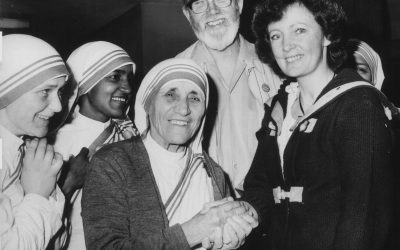
St. Teresa of Calcutta and the Resurrection of Labor Sunday
Sunday, September 4, 2016, is a providential date for many reasons. Not only is it a beautiful capstone for the Year of Mercy through the international celebration of the canonization of Blessed Teresa of Calcutta, but it is also the day that marks Labor...

Faith and Wealth: Rich Dad, Poor Dad Revisited
Rich Dad, Poor Dad is one of this generation’s most iconic financial literacy books. Written by Kiyosaki and Lechter in the late 1990s, it has sold over 26 million copies and has been touted by celebrities such as Oprah Winfrey and Will Smith—not to mention...

Wealth and the Spirituality of Social Solidarity
This is how I have become accustomed to opening and closing each day. For most of my adult life, I have been a banker and in the business of buying and selling money. There is a common misconception among the faithful that having money is bad, and having a...
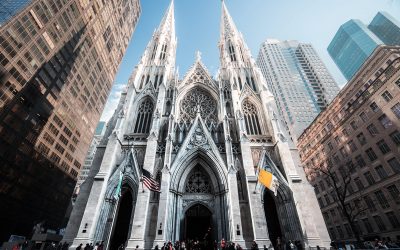
What Theology Teaches About Corporate Responsibility
As business people, sometimes we forget just how connected the world of work is to the work of God in the world. Without question, individual business persons are moral agents. However, based upon the accepted conception of the corporation, there is often a lack of...
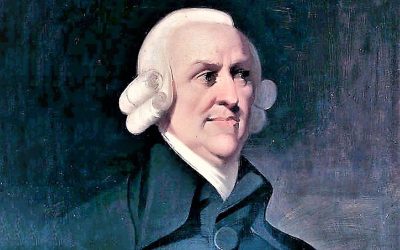
God’s Fingerprints On Adam Smith’s Invisible Hand
For those who know economics, Adam Smith is a beloved patriarch. Not only was the 18th-century Scottish thinker the father of modern economics, he was also moral philosopher. This intellectual combination was not unusual in his day, but it is rare in ours. His...

Economic Personalism: Tool for Morality in Markets
No matter what your ideology, there is common disdain for market manipulators, fraud, and theft. There is little disagreement about the repugnance of taking advantage of senior citizens through deceptive investment schemes or conning vulnerable families into...
5 Things Every Catholic Businessperson Must Know
A few years ago, I had an interesting conversation with one of our country’s most well-known and respected business leaders. It started as I was chatting with the man’s wife, and she asked me what I did for fun. I could have told her I enjoyed golf, or gardening, or...
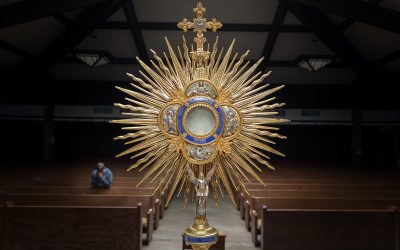
The Eucharist: The Perfect Valentine
For Valentine’s Day this year, I am taking a new approach. No more chocolate, fancy dinners or jewelry. This year’s gift is the ultimate. This year’s gift is love itself. This year, I am going to give the most precious gift of all. I am going to give...
Answering the Call to Work
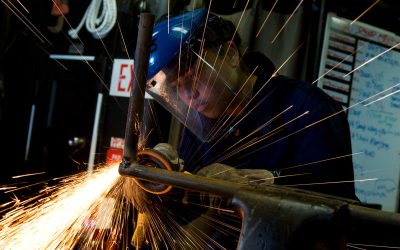
Recent studies show a need for a greater understanding of labor as a Christian call to work. Nearly half the people on the planet are workers. Statically speaking, the UN’s International Labour Organization tallies the world-wide workforce at nearly three billion....
Economic Apologists?
Two years before his death, renowned Catholic social scientist Dr. Rupert Ederer wrote a book entitled Economics as if God Matters. In this book, he endeavored to explain over a century of Catholic magisterial teaching regarding economic matters. Ederer titled...
Commerce as an Instrument of Peace
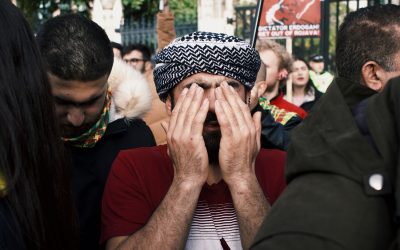
Suffice to say, the establishment of world peace is not in the job description of most CEOs. But after the most recent terror attacks that brought down a Russian passenger plane and took the lives of innocent people in Beirut, Paris and Mali, the world is...

A Baby’s Vocation
Today, I say goodbye to a little boy whom I have never met but whose very existence touched hearts around the world. This story began nearly seven months ago. My very dearest friend called me with the good news. Well, truth be told, that is not exactly how the...

Capitalism and the Culture of Consumerism
This week we celebrate the feast day of Saint Matthew, patron saint of bankers. Reflecting upon my patron saint, I recall many times having been asked how capitalism can be compatible with Christian theology. As a banker and Catholic intellectual, I draw upon both...
Laudato Si: Papal Economics and the Social Mortgage
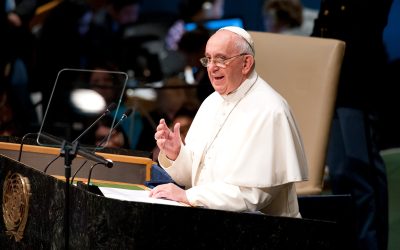
One of the enduring lessons from the most recent Papal Encyclical, Laudato Si (Praise Be to You), is the simple notion that the “natural environment is a collective good.” Although simple, this profound concept has broad ramifications and is key to...

True Measure of Home Value
It was a nun and not an economist or political philosopher that reminded the world there is one timeless measure of a home’s value: love. In 1979, Mother Teresa of Calcutta was awarded the Nobel Prize. In her acceptance speech, she was asked what we...
Putting Faith in Your Investments
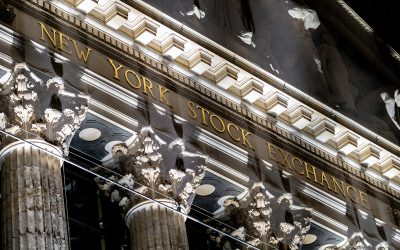
As investment professionals, when we think about investments, we think about asset classes: stocks, bonds, hedge funds and the like. As theologians, when we think about investments, we think about “assets” somewhat differently. The challenge is for each to understand...
A Work Week Theology
There are more of us than there are of them. More laity than religious, that is. Throughout history, the great saints have gifted the Church with unique charisms and rules for religious life. But what does that mean for those who live and work in the world—the...

Happiness: A Capital Asset?
Ask an accountant what a capital asset is and you will be told that it is an asset owned to generate a profit, but is not easily sold for cash in the normal course of business operations. In business school, we learn that these are assets such as land,...
Michele Ferrero: What Does It Mean to Be Rich?
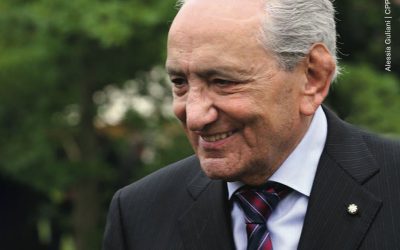
For some, the answer to the question “what does it mean to be rich?” is revealed every year in the Forbes magazine list of the World’s Billionaires. This list ranks the richest people on the planet, and in 2014, their collective wealth exceeded $6.4...
Indifference to the Dignity of Work
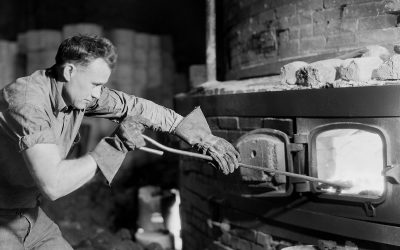
We have all done it. We have walked past a beggar on the street. We have purchased groceries from a cashier whose eyes we did not meet. We have insisted on the least expensive goods available to us. We have been impatient with a doctor when our appointment time is...
Season 2 | Episode 1
We start our second season with one of the most notorious narco money men in US history, Jorge Valdes. We hear the story of how a 10-year old Cuban refugee becomes the youngest person to work at the Federal Reserve Bank in Miami and who then goes on in the '70s and...

The Resurrection of Labor Sunday
Sunday, September 4, 2016 is a providential date for many reasons. Not only is it a beautiful capstone for the Year of Mercy thorough the international celebration of the canonization of Blessed Teresa of Calcutta, but it is also the day that marks Labor...

Rich Dad, Poor Dad: Revisited
Rich Dad, Poor Dad is one of this generation’s most iconic financial literacy books. Written by Kiyosaki and Lechter in the late 1990s, it has sold over 26 million copies and been touted by celebrities such as Oprah Winfrey and Will Smith—not to mention Donald...
Combating “Social Sins” in the Marketplace
The hope is that each of us in our own vocation will be able to recognize social sins when we see them, and more importantly begin to more easily see pathways to respect, redemption and reconciliation. No matter what your ideology, there is common disdain for market...

5 Things You Will Never Learn in Business School
Lessons from a conversation between theology and business A few years ago, I had an interesting conversation with one of our country’s most well-known and respected business leaders. It started as I was chatting with the man’s wife, and she asked me what I did for...

The Business of Virtue
Ponder this: why should business care about virtues? Some might argue that it shouldn’t. However, I affirm that business must care, if for no other reason than that virtues are… simply put, good for business. Aristotle reminds us, “Virtue makes its subject...
Economic Apologists.
What is clear, in each of the major monotheistic faith traditions, is that God matters. Each tradition understands and accepts the burden of man’s responsibility to God to not only be faithful but also be resourceful with the God-given gifts with which each has...
We Are All Called to Community Life
As the Third Global Forum on Local Development recently met in Turin, Italy, we are reminded that we all have a calling to community life. Pope Francis, in addressing participants in the Forum, urges us all to consider that “political and economic action are a...

What is the Social Mortgage?
Clean water, air and adequate housing are not enough. We must also strive for those other essential resources: “education, credit, insurance and markets.” All of these things are part of a truly integral human development. One of the enduring lessons from...

Put Faith In Your Investments
In my recent business column in Catholic Stand, I explain that investment managers and theologians have much to teach each other about maximizing investment returns: http://www.catholicstand.com/putting-faith-in-your-investments/ . Our challenge...

Needed: Right Where You Are
We are challenged to find God right where we are and in all things. Our work in the world gives us a community with whom to share our gifts in service. There are more of us then there are of them. More laity than religious, that is. Throughout history, the great...

Michele Ferrero: What Does It Mean to be Rich?
On Valentine’s Day 2015, the world said good-bye to the 89 year old father of Italian chocolate, Michele Ferrero. He leaves behind a family business that is responsible for bringing the world Nutella, Mon Cheri, Tic Tacs and Ferrero Rocher, among other iconic...

The Dignity of Work
In this column I argue that we have a duty to work and respect the work of others, whether that work has high or low objective value. Its intrinsic value is derived from its nexus to the human person doing the work. Work honors the gifts and talents that we receive...

Happiness – A Capital Asset.
In my latest business column at Catholic Stand, I argue that if we truly understand what happiness is, we will protect it, nurture it and grow it-- like all of our other capital assets: http://www.catholicstand.com/happiness-a-capital-asset/ . Economists have done...
Money Matters– But Not the Way You Think
Money provides the means to meet our basic needs — food, shelter, clothing, and transportation — but only if others are willing to produce the things that we need. While it is popularly thought that money makes us independent, the opposite is actually true. Currency...