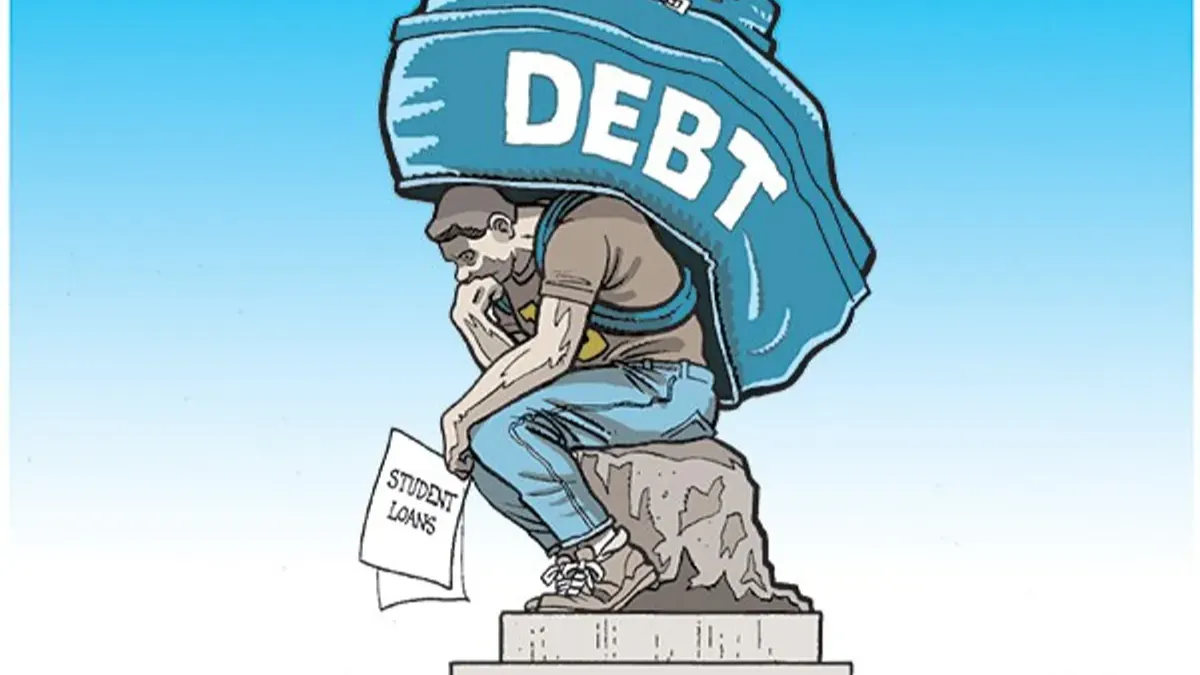

In recent years, the issue of student loan debt has gained significant attention, particularly as it affects older Americans. Research indicates that many individuals aged 51-61 carry substantial debt due to student loans and unpaid medical bills, which can severely impact their financial stability as they approach retirement (Lusardi, Mitchell, and Oggero, 2020, 2). This demographic is expected to be at the peak of their retirement savings, yet they often find themselves burdened by debt, raising concerns about their financial well-being and security in later life (Ibid).
The Rise of Debt Among Older Americans
The trend of older Americans carrying debt into retirement is alarming. According to Lusardi and Mitchell (2020), the volume of debt among older individuals has grown substantially over time, leading to increased concerns regarding retirement security (Ibid, 3). Many older adults report feeling over-indebted, with approximately 41% agreeing that they have too much debt (Ibid, 6).
This situation is exacerbated by the fact that many older borrowers have dependent children, which contributes to their financial burdens (Ibid, 4). The implications of carrying debt into retirement are profound. As older adults allocate a significant portion of their income to service this debt, they may struggle to save adequately for retirement (Ibid, 24). Furthermore, the psychological impact of debt can lead to increased stress and anxiety, further diminishing the quality of life for those affected (Ibid, 5).
Financial Literacy and Debt Management
A critical factor contributing to the burden of student loan debt among older adults is a lack of financial literacy. Research shows that many individuals nearing retirement do not possess the necessary knowledge to manage their debt effectively. For instance, fewer than one-third of older respondents could correctly answer questions related to interest compounding, a fundamental concept crucial for understanding the implications of carrying debt (Ibid, 6).
This lack of understanding can lead to poor financial decisions, such as taking on high-interest loans or failing to plan for future payments. Moreover, many older borrowers report feeling overwhelmed by their debt, with approximately 36% indicating that they believe they have too much debt (Ibid, 12). This perception of being over-indebted can create a cycle of financial distress, where individuals are unable to save adequately for retirement due to the ongoing burden of student loans.
The psychological impact of debt can also lead to increased anxiety and stress, further diminishing quality of life as individuals approach their later years (Ibid, 5).
The Impact on Retirement Security
The implications of student loan debt extend beyond immediate financial strain; they also pose significant risks to retirement security. As older adults continue to carry student loans, they may find it challenging to save for retirement adequately. The National Financial Capability Study (NFCS) indicates that many older Americans are already tapping into their retirement accounts to manage their debt, with about 8% of those with retirement accounts taking loans or hardship withdrawals in the previous year (Ibid, 34). This behavior not only jeopardizes their long-term financial security but also increases the likelihood of financial instability in retirement.
The burden of student loan debt can lead to delayed retirement. Many individuals may feel compelled to work longer to pay off their loans, which can limit their ability to enjoy retirement fully (Ibid, 16). The stress of managing debt while also trying to save for retirement can create a precarious balancing act, where individuals are forced to prioritize debt repayment over building a secure financial future. This situation is particularly concerning for those who may face unexpected financial shocks, such as medical emergencies or job loss, which can further exacerbate their financial vulnerability (Ibid).
Demographic Disparities in Debt Burden
The burden of student loan debt is not evenly distributed across the population. Certain demographic groups, including women, low-income individuals, and racial minorities, are disproportionately affected by student loan debt. For instance, older women are nearly 50% more likely to report having unpaid medical bills, which can compound the financial strain of student loans (Ibid, 17). Additionally, African Americans are more likely to carry student loans into their later years, with 17% of older African Americans still holding student debt compared to only 5% of whites (Ibid, 36).
These disparities highlight the need for targeted interventions to address the unique challenges faced by vulnerable populations.
The Role of Policy and Financial Education
Addressing the issue of student loan debt among older adults requires a multifaceted approach that includes policy changes and enhanced financial education. Policymakers must consider the implications of student loan debt on retirement security and explore options for debt relief or restructuring that can alleviate the burden on older borrowers (Ibid, 39).
Financial education programs should be implemented to equip individuals with the knowledge and skills necessary to manage their debt effectively. Such programs could focus on essential topics such as budgeting, understanding interest rates, and planning for retirement. Incorporating financial literacy into educational curricula from an early age can also help future generations avoid the pitfalls of excessive student loan debt.
By fostering a culture of financial awareness, individuals may be better prepared to make informed decisions about borrowing and repayment, ultimately leading to improved financial stability throughout their lives (Ibid, 17).
Final Thoughts
The burden of student loan debt extends far beyond the years of formal education, impacting individuals’ financial stability and security as they approach retirement. The rising levels of debt among older Americans, coupled with a lack of financial literacy and demographic disparities, create a complex landscape that requires urgent attention.
By prioritizing financial education and implementing policies that address the unique challenges faced by older borrowers, society can help mitigate the negative consequences of student loan debt and promote greater financial well-being for all individuals as they transition into retirement.
The need for comprehensive solutions is clear, as the implications of student loan debt will continue to shape the financial futures of countless individuals for years to come.
___________
Lusardi, Annamaria, Olivia S. Mitchell, and Noemi Oggero. “Understanding Debt in the Older Population.” NBER Working Paper No. 28236, December 2020. http://www.nber.org/papers/w28236.