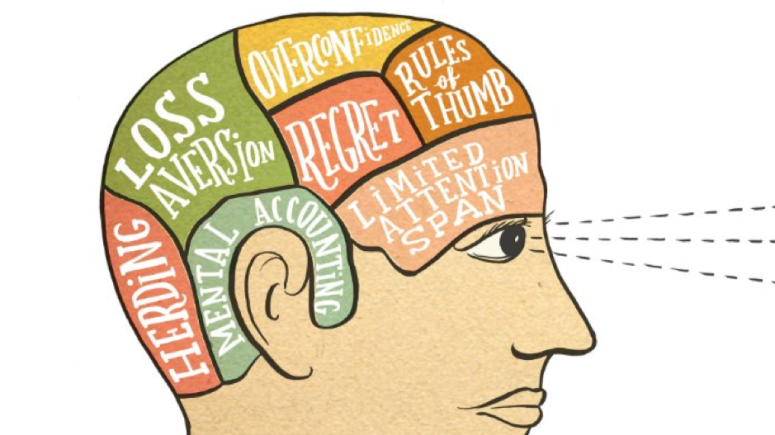

Behavioral economics is a field that combines insights from psychology and economics to understand how individuals make financial decisions. Unlike traditional economic theories that assume people are rational actors who always make decisions in their best interest, behavioral economics recognizes that cognitive biases, emotions, and social factors often influence human behavior.
Understanding behavioral economics’ insights can help improve financial literacy, make better investment choices, and enhance overall financial well-being.
In this essay, I share some of the key concepts of behavioral economics, the common biases that affect financial decision-making, and strategies to mitigate these biases to achieve better financial outcomes.
The Importance of Understanding Behavioral Economics
The significance of behavioral economics lies in its ability to explain why individuals often make irrational financial decisions that contradict traditional economic theories. As people navigate an increasingly complex financial landscape—filled with investment options, market volatility, and evolving economic conditions—understanding the psychological factors that influence their choices becomes critical.
1. Enhancing Financial Literacy: By recognizing the biases and emotional triggers that affect financial behavior, individuals can become more informed consumers and investors. This knowledge empowers them to make decisions aligned with their long-term financial goals.
2. Improving Investment Outcomes: Behavioral economics helps individuals understand why they may fall prey to common pitfalls, such as herd behavior or loss aversion. By addressing these tendencies, investors can develop more rational strategies, leading to better investment outcomes.
3. Promoting Financial Well-Being: Understanding the psychological aspects of financial decision-making can lead to healthier financial habits and reduce anxiety and stress associated with money management.
4. Informing Policy and Financial Advisory Practices: Insights from behavioral economics can guide policymakers and financial advisors in designing interventions and products that cater to the psychological needs of consumers, ultimately promoting financial stability.
Key Concepts in Behavioral Economics
1. Cognitive Biases: Cognitive biases are systematic patterns of deviation from norm or rationality in judgment. They can significantly impact financial decisions. Some common cognitive biases include:
2. Overconfidence Bias: Individuals often overestimate their knowledge or ability to predict market outcomes, leading to risky investments or poor financial planning.
3. Anchoring: People tend to rely heavily on the first piece of information they receive (the “anchor”) when making decisions. For example, an initial price can influence perceptions of value, affecting buying decisions.
4. Loss Aversion: Individuals generally prefer to avoid losses rather than acquire equivalent gains. This bias can lead to overly conservative investment strategies and reluctance to take necessary financial risks.
5. Heuristics: Heuristics are mental shortcuts that simplify decision-making. While they can be useful, they can also lead to errors in judgment.
Common heuristics include (1) the availability heuristic and (2) the representativeness heuristic. In the availability heuristic, people assess the probability of an event based on how easily examples come to mind. For instance, if someone has recently heard about stock market crashes, they may overestimate the likelihood of future crashes.
The representativeness heuristic involves judging the probability of an event based on how closely it resembles a typical case. For example, investors might assume that a tech startup will be successful because it resembles other successful tech companies, ignoring relevant financial data.
6. Framing Effects: The way information is presented can significantly influence decision-making. For example, presenting an investment as having a “70% chance of success” may yield different responses than framing it as having a “30% chance of failure,” even though the information is mathematically identical.
Common Biases in Financial Decision-Making
Understanding common biases can help us recognize their influence on financial decisions. Here are some of the most prevalent biases in financial contexts:
1. Herd Behavior: This bias occurs when individuals mimic the actions of a larger group, often leading to irrational market trends. For instance, during a stock market boom, investors may buy stocks based on the behavior of others rather than conducting their analysis.
2. Mental Accounting: People often categorize their money into different “accounts” (e.g., savings, spending) and evaluate them separately. This can lead to poor financial decisions, such as spending windfalls rather than saving for long-term goals.
3. Sunk Cost Fallacy: This bias involves continuing to invest in a losing proposition because of the resources already committed. For example, someone may hold onto a failing investment out of a desire to recover losses rather than cutting their losses and reallocating resources.
4. Confirmation Bias: Individuals tend to seek information that confirms their existing beliefs and ignore evidence that contradicts those beliefs. This can lead to poor investment choices, as individuals may overlook critical data that suggests a particular investment is not sound.
The Impact of Emotions on Financial Decisions
Emotions play a crucial role in financial decision-making, often driving individuals to make impulsive or irrational choices. Several emotional factors can influence financial behavior:
1. Fear and Anxiety: Fear of loss can lead to overly cautious financial behavior, causing individuals to miss out on potential gains. Conversely, anxiety about financial instability can result in rash decisions, such as withdrawing investments during market downturns.
2. Greed: The desire for wealth can drive individuals to take excessive risks in pursuit of higher returns. This can lead to speculative investments or participation in financial bubbles.
3. Regret Aversion: The fear of making a wrong decision can prevent individuals from taking necessary actions. For example, someone might avoid investing altogether due to the fear of loss, resulting in missed opportunities for growth.
Strategies to Mitigate Behavioral Biases
Recognizing the influence of cognitive biases and emotions is the first step toward improving financial decision-making. Here are several strategies individuals can employ to mitigate these biases:
1. Educate Yourself: Financial literacy is crucial for understanding investment options and making informed decisions. Individuals should seek resources that provide knowledge about personal finance, investment strategies, and market behavior.
2. Set Clear Goals: Establishing specific financial goals can provide direction and reduce the influence of biases. Clear goals help individuals stay focused on long-term objectives rather than succumbing to short-term fluctuations.
3. Diversify Investments: Diversification can help reduce risk and counteract the effects of biases. By spreading investments across different asset classes, individuals can mitigate the impact of poor decisions in any single area.
4. Use Data and Analysis: Relying on data-driven analysis rather than gut feelings can help counteract biases. Individuals should conduct thorough research before making financial decisions and consider seeking advice from financial professionals.
5. Implement Automatic Savings: Setting up automatic transfers to savings or investment accounts can help individuals save consistently without relying on willpower, reducing the impact of emotional decision-making.
6. Avoid Emotional Trading: Investors should establish rules for buying and selling investments and stick to them, avoiding emotional reactions to market movements. A disciplined approach can help maintain focus on long-term goals.
7. Seek Accountability: Engaging with a financial advisor or joining an investment group can provide accountability and support. Discussing decisions with others can help individuals gain different perspectives and reduce the influence of biases.
Final Thoughts
Behavioral economics offers valuable insights into the complexities of financial decision-making. By understanding cognitive biases, emotional influences, and the underlying psychology of financial choices, we can make more informed and rational decisions. Recognizing the impact of biases and implementing strategies to mitigate them can lead to improved financial outcomes and greater financial longevity.
In an increasingly complex financial landscape, awareness and education are key to navigating the challenges of making sound financial decisions. The recommended readings further enrich this understanding, equipping us with the tools to enhance our financial literacy and make better investment choices.
_____________
My Beginning Reading List on Behavioral Economics
1. “Thinking, Fast and Slow” by Daniel Kahneman This book by Nobel laureate Daniel Kahneman explores the dual systems of thought—System 1 (fast and intuitive) and System 2 (slow and deliberate)—and how they influence decision-making, including financial choices.
2. “Nudge: Improving Decisions About Health, Wealth, and Happiness” by Richard H. Thaler and Cass R. Sunstein Thaler and Sunstein discuss how subtle changes in the way choices are presented can significantly impact decision-making, offering insights into how to design better choices in financial contexts.
3. “Predictably Irrational: The Hidden Forces That Shape Our Decisions” by Dan Ariely This book explores the irrational behaviors that affect decision-making, providing a fascinating look at how biases and emotions influence financial choices.
4. “Misbehaving: The Making of Behavioral Economics” by Richard H. Thaler In this book, Thaler shares his journey in developing behavioral economics, illustrating its implications for understanding human behavior in financial markets.
5. “The Behavioral Investor” by Daniel Crosby Crosby explores the psychological biases that impact investors and provides actionable insights to help individuals make better investment decisions.