
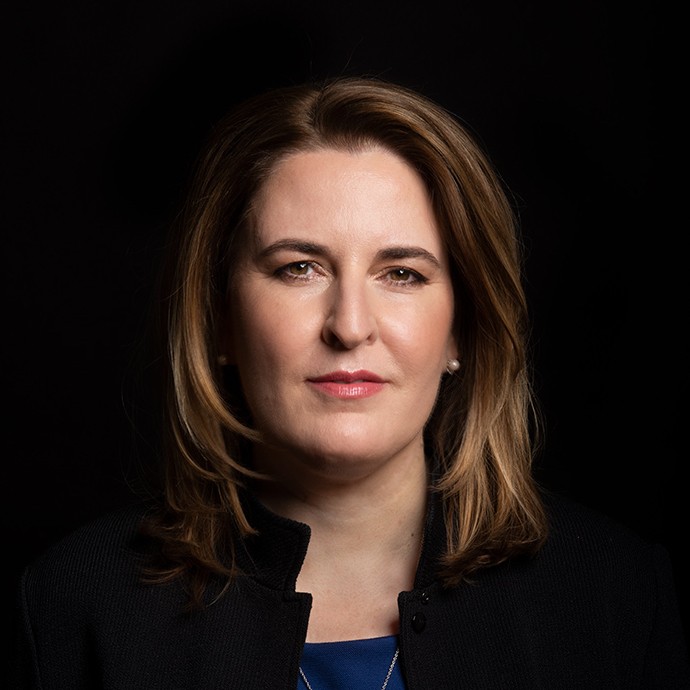
As a financial ethicist at the Milken Institute, I spend my days in the space where numbers meet values. This is where the realities of financial systems intersect with the moral question of how we help people live longer, healthier, more secure lives. That is the perspective from which I wrote The Longevity Equation: How Healthspan and Wealthspan Intersect, our new Milken Institute report designed to reshape how leaders think about the future of aging.
The Longevity Equation L = (H × W) × T^β is a pedagogical tool, not a calculator. Its purpose is to make relationships visible: longevity depends on healthspan (H), wealthspan (W), and the multiplying force of technology (T). If any of these fall near zero, the entire expression collapses. The equation reveals a truth we often sense but rarely articulate: inequity is structural, not accidental.
Why an Equation?
Equations help us understand forces that are otherwise difficult to see. Physicists use them to measure gravity; economists use them to understand markets. I chose an equation because it forces us to confront interdependence. Every variable matters. Remove one, and longevity unravels.
The equation also works metaphorically. Longevity is a tapestry:
- Healthspan is the strength of the vertical threads.
- Wealthspan is the stability of the horizontal threads.
- Technology is the shuttle that moves between them, shaping and accelerating patterns.
When one thread weakens, the design distorts. When several weaken, the fabric tears. The Longevity Equation expresses this truth in a form leaders can use.
What It Means to Work as a Financial Ethicist
Writing this report was both intellectual and moral work. Financial ethics asks how economic systems can support human flourishing. It recognizes that health and wealth are not parallel tracks but intertwined determinants of opportunity, security, and dignity.
A credit score is never just a number; a retirement account is never just an account. They are expressions of power, access, risk, and resilience. When financial instability compounds poor health (or vice versa), it becomes a moral issue long before it becomes a policy issue.
How Leaders Can Use the Longevity Equation
The model offers a practical framework for anyone designing systems that touch people’s financial or physical well-being:
For employers: It helps evaluate how benefits, caregiving support, preventive health, and financial wellness programs reinforce (or undermine) healthy longevity.
For financial institutions: It reframes planning from asset accumulation to long-term resilience across decades of life.
For healthcare organizations: It emphasizes that improving healthspan has economic returns for families, employers, and entire communities.
For policymakers: It highlights where missing or weakened variables, like digital access, retirement security, or preventive care, create zeros in the lives of millions.
For individuals: It brings clarity to personal choices: strengthening health, stabilizing finances, and improving digital and health literacy all multiply long-term outcomes.
A Final Thought
In the end, The Longevity Equation is more than a report. It’s an invitation… one rooted in the mission of the Milken Institute to improve the quality of life for people around the world.
Equations remind us that relationships matter. Ethics reminds us that people matter. Longevity requires both.
My hope is that this framework helps leaders across sectors design a future where longer lives don’t just happen– they thrive.